
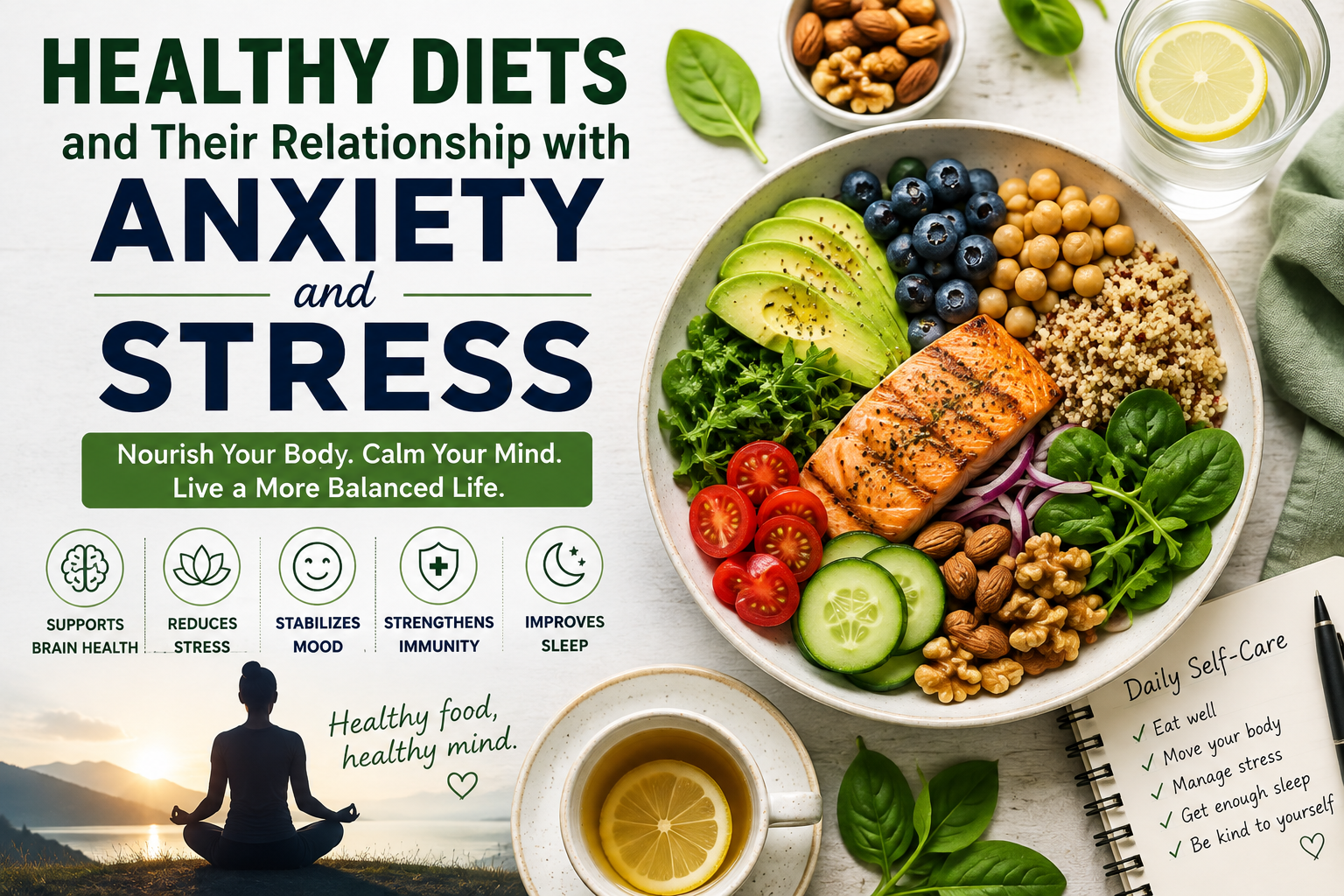
Modern life can feel overwhelming. Work deadlines, financial responsibilities, family commitments, social pressures, constant notifications, and uncertainty about the future can all contribute to feelings of stress and anxiety. While mental health is influenced by many factors, researchers are increasingly interested in an important question: Could the food we eat also play a role in how we feel emotionally? 🧠💚
Nutrition is often discussed in relation to physical health, weight management, heart disease, and energy levels. However, the relationship between food and mental well-being is also gaining greater attention. The brain requires energy and a wide range of nutrients to function properly, and the foods we consume can influence many systems throughout the body.
A healthy diet cannot guarantee that someone will never experience anxiety or stress. Anxiety disorders and chronic stress are complex experiences influenced by genetics, life circumstances, psychological factors, physical health, and social environments. Food should never be presented as a replacement for professional mental health treatment.
Nevertheless, a nutritious and balanced dietary pattern may be one meaningful part of a broader approach to supporting emotional well-being. 🥦🫐🌿
From colorful vegetables and whole grains to healthy fats and protein-rich foods, everyday nutritional choices may influence energy, mood, and overall health. Let’s explore the fascinating relationship between healthy diets, anxiety, and stress.
🧠 Understanding Anxiety and Stress
Before exploring the relationship between food and mental health, it is important to understand that stress and anxiety are not exactly the same thing.
🌧️ What Is Stress?
Stress is the body’s response to a challenge or demand. It can occur when people face deadlines, difficult situations, major life changes, or uncertainty.
Short-term stress is not always harmful. In some situations, it can help people focus, respond to challenges, and take action.
However, long-lasting or overwhelming stress can affect both physical and emotional health.
Chronic stress may be associated with:
- 😴 Sleep difficulties
- ⚡ Fatigue
- 🧠 Trouble concentrating
- 😠 Irritability
- 🍽️ Changes in appetite
- 🤕 Physical tension
- 🌧️ Emotional exhaustion
😟 What Is Anxiety?
Anxiety is a feeling of worry, fear, or nervousness. Occasional anxiety can be a normal human response, especially when facing an unfamiliar or challenging situation.
However, persistent or intense anxiety that interferes with everyday life may require professional attention.
The relationship between anxiety, stress, and nutrition is complex. Food alone does not cause or cure anxiety. But dietary patterns may influence some of the biological and lifestyle factors connected to emotional well-being.
🥗 Why Could Diet Affect Mental Well-Being?
The brain is one of the most active organs in the human body.
It requires a continuous supply of energy and depends on many nutrients to support normal functioning.
Nutrition can influence:
🧠 Brain energy metabolism
❤️ Cardiovascular health
🩸 Blood sugar regulation
🔥 Inflammatory processes
🦠 The gut microbiome
😴 Sleep
⚡ Energy levels
Because these systems are interconnected, scientists are increasingly studying how overall dietary patterns may relate to mental health.
This does not mean that eating one particular food will instantly make someone feel calm or eliminate anxiety.
Instead, the bigger picture matters.
A person who consistently eats a variety of vegetables, fruits, whole grains, healthy fats, and protein-rich foods may be supporting their overall health differently from someone whose diet relies primarily on highly processed foods.
Mental well-being is influenced by many factors, and nutrition is only one piece of a much larger puzzle. 🧩
🌈 1. A Healthy Diet Is About Patterns, Not Perfection
One of the biggest misconceptions about healthy eating is the idea that a single food can transform your health.
People often search for:
✨ A miracle food
✨ A magical supplement
✨ A perfect diet
✨ One ingredient that solves everything
Unfortunately, human health is much more complicated.
Eating blueberries once a week does not automatically cancel out an otherwise unhealthy dietary pattern. Similarly, enjoying an occasional dessert does not destroy a healthy lifestyle.
What matters most is the overall pattern of eating over time.
A balanced diet may regularly include:
🥬 Vegetables
🍎 Fruits
🌾 Whole grains
🫘 Beans and legumes
🥜 Nuts and seeds
🐟 Fish and other protein sources
🥑 Foods containing healthy fats
The goal should not be dietary perfection.
Instead, it can be helpful to ask:
“What small changes can I make to improve the overall quality of my diet?”
That approach is usually more realistic and sustainable.
🧠 2. The Brain Needs Consistent Energy
The brain requires energy to perform essential functions.
What we eat can influence our energy levels throughout the day.
Some people experience noticeable changes in energy after eating meals high in refined carbohydrates or added sugars. Rapid changes in blood sugar may leave some individuals feeling hungry or tired later.
A balanced meal containing a combination of:
🥗 Fiber-rich foods
💪 Protein
🥑 Healthy fats
🌾 Complex carbohydrates
may help provide a more satisfying and steady source of energy.
For example, instead of relying on a highly sweetened snack alone, someone might choose:
🍎 An apple with nuts
🥣 Oats with fruit and seeds
🍞 Whole-grain toast with eggs
🥛 Yogurt with berries
The goal is not to completely eliminate carbohydrates or sugar. Instead, it is about creating meals that provide a broader range of nutrients.
🥦 3. Vegetables and Mental Well-Being
Vegetables are among the most nutrient-dense foods available. 🥬💚
They can provide vitamins, minerals, fiber, and naturally occurring plant compounds.
Examples include:
🥬 Spinach
🥦 Broccoli
🥕 Carrots
🍅 Tomatoes
🫑 Bell peppers
🥒 Cucumbers
🍆 Eggplant
🫛 Peas
Different vegetables provide different nutritional profiles, which is one reason variety can be beneficial.
Instead of eating the same food every day, try adding different colors to your meals.
🌈 Green: Spinach, broccoli, leafy vegetables
🟠 Orange: Carrots and pumpkin
🔴 Red: Tomatoes and red peppers
🟣 Purple: Eggplant and purple cabbage
A colorful plate can make healthy eating more enjoyable while increasing dietary variety.
🫐 4. Fruits Can Be a Nutritious Part of a Balanced Diet
Fruits provide a variety of nutrients and can be an easy way to add natural sweetness to meals.
Examples include:
🫐 Berries
🍎 Apples
🍊 Oranges
🍌 Bananas
🥭 Mangoes
🍇 Grapes
🍉 Watermelon
A piece of fruit can be a convenient snack, especially when combined with another nutritious food.
For example:
🍌 Banana + peanut butter
🍎 Apple + nuts
🫐 Berries + yogurt
🍊 Orange + a handful of seeds
The best choice often depends on personal preference, accessibility, and cultural eating habits.
Healthy eating does not need to follow one particular country’s food traditions.
Nutritious meals can be created from a wide variety of cuisines. 🌍🍽️
🌾 5. Whole Grains and Stable Eating Patterns
Whole grains can be an important source of carbohydrates, fiber, and other nutrients.
Examples include:
🌾 Oats
🍚 Brown rice
🌾 Whole wheat
🌾 Barley
🌾 Millet
Highly refined grains are not necessarily “bad,” but including more whole-grain options may increase the nutritional diversity of a diet.
Carbohydrates are an important energy source, and extreme restrictions are not necessary for most people.
Instead of focusing on fear, consider balance.
A meal containing whole grains, vegetables, and protein may be more satisfying than one composed primarily of heavily processed ingredients.
🫘 6. Protein and Emotional Well-Being
Protein is an important part of a balanced diet.
Protein-rich foods can include:
🥚 Eggs
🐟 Fish
🍗 Poultry
🫘 Beans
🌱 Soy products
🥛 Dairy foods
🥜 Nuts and seeds
Protein can help support the body’s normal functions and may contribute to meal satisfaction.
Including adequate protein throughout the day can also help people create more balanced meals.
For example:
🌅 Breakfast
🍳 Eggs with vegetables and whole-grain bread
☀️ Lunch
🫘 Lentils with vegetables and rice
🌙 Dinner
🐟 Fish with vegetables and a nutritious carbohydrate source
The specific foods can change according to individual dietary preferences.
🥑 7. Healthy Fats Matter Too
For many years, dietary fat was often treated as something people should avoid completely.
Today, nutrition science recognizes that different types of fats have different roles in the diet.
Foods that are commonly included in healthy dietary patterns include:
🥑 Avocados
🥜 Nuts
🌱 Seeds
🫒 Olive oil
🐟 Fatty fish
These foods can provide unsaturated fats along with other nutrients.
Again, balance is important.
A healthy diet is not about eating unlimited quantities of any particular food. It is about creating a varied and sustainable pattern.
🦠 8. The Gut-Brain Connection
One of the most fascinating areas of modern health research is the connection between the digestive system and the brain.
This relationship is often called the gut-brain axis. 🧠↔️🦠
Scientists are studying how the digestive system, gut microorganisms, immune activity, and nervous system communicate with one another.
The gut microbiome is influenced by many factors, including:
🥗 Dietary patterns
💊 Medications
🌿 Environment
🧬 Genetics
🏃 Physical activity
Fiber-rich foods such as vegetables, fruits, legumes, and whole grains are important components of many healthy dietary patterns.
Research in this area is still developing, and people should be cautious about claims that a single probiotic, supplement, or food can instantly “fix” the gut.
The science is more complex than that.
For now, eating a varied diet containing plenty of minimally processed plant foods is a practical way to support overall dietary quality.
🍬 9. Highly Processed Foods and Emotional Health
Modern diets often include a significant amount of highly processed food.
Examples may include:
🍟 Certain packaged snacks
🥤 Sugar-sweetened drinks
🍩 Highly sweetened desserts
🍕 Some convenience foods
🍬 Excessively sugary snacks
The important point is that healthy eating should not become a source of anxiety.
You do not need to fear or completely ban every processed food.
Food should not be divided into categories of moral “good” and “bad.”
Instead, consider frequency and balance.
If highly processed foods regularly replace vegetables, fruits, whole grains, and other nutrient-dense options, the overall nutritional quality of the diet may decline.
A more helpful strategy is to focus on what you can add to your meals.
Add vegetables. 🥦
Add fruit. 🍎
Add legumes. 🫘
Add whole grains. 🌾
Over time, these additions may naturally reduce reliance on less nutritious foods.
☕ 10. Caffeine and Anxiety: Knowing Your Personal Limits
Caffeine affects people differently.
Some individuals can drink coffee or tea without experiencing problems. Others may notice that caffeine contributes to:
⚡ Restlessness
❤️ A faster heartbeat
😟 Nervousness
😴 Difficulty sleeping
People who are sensitive to caffeine may benefit from paying attention to how and when they consume it.
This doesn’t necessarily mean everyone with anxiety needs to completely avoid caffeine.
Individual responses vary.
A helpful approach is to observe your own patterns.
For example:
Do you feel more anxious after several cups of coffee?
Does caffeine late in the day interfere with your sleep?
Do energy drinks make you feel restless?
Understanding your personal response can help you make informed choices.
💧 11. Don’t Forget About Hydration
Water plays an essential role in overall health. 💧
Mild dehydration can affect how some people feel physically and mentally.
Individual hydration needs vary depending on:
☀️ Climate
🏃 Physical activity
👤 Body size
💊 Medications
🏥 Medical conditions
Water-rich foods, including fruits and vegetables, can also contribute to overall fluid intake.
For most people, regularly drinking water and paying attention to thirst can be a simple part of a healthy routine.
However, individuals with certain medical conditions may need personalized advice regarding fluid intake.
😴 12. Diet, Stress, and Sleep Are Connected
Nutrition and sleep have an interesting relationship.
Stress may influence food choices.
Poor sleep may influence appetite.
An unhealthy diet may affect energy levels.
Low energy may make physical activity more difficult.
This creates a complicated cycle.
Imagine this situation:
😟 Stress increases.
⬇️
😴 Sleep becomes worse.
⬇️
☕ More caffeine is consumed.
⬇️
🍬 Quick, highly processed foods become more appealing.
⬇️
⚡ Energy becomes inconsistent.
Breaking this cycle does not require perfection.
Sometimes one small change can help.
For example:
🌙 Creating a more regular bedtime routine
🍽️ Eating regular, balanced meals
🚶 Taking a daily walk
💧 Drinking enough water
🌿 Practicing relaxation
Healthy habits often work together.
🧘 13. Healthy Eating Can Become Part of a Self-Care Routine
Food is more than fuel.
For many people, eating is also connected to culture, family, tradition, enjoyment, and social relationships. ❤️
Preparing a healthy meal can become a mindful activity.
For example:
🥕 Chopping colorful vegetables
🌿 Smelling fresh herbs and spices
🍲 Cooking a meal slowly
👨👩👧 Sharing food with family
These experiences can provide opportunities to slow down.
Mindful eating does not mean analyzing every bite.
It can simply involve paying more attention to hunger, fullness, flavor, and enjoyment.
In a world where people often eat while working, scrolling, or rushing between responsibilities, slowing down occasionally can be valuable.
🌿 14. The Mediterranean-Style Eating Pattern
One of the most widely discussed healthy dietary patterns emphasizes foods such as:
🥬 Vegetables
🍎 Fruits
🌾 Whole grains
🫘 Legumes
🥜 Nuts and seeds
🐟 Fish
🫒 Olive oil and other unsaturated fats
The broader principle behind this approach is not about copying one exact menu.
It is about emphasizing whole and minimally processed foods.
Similar principles can be adapted to many cultural diets.
For example, an Indian-style healthy meal might include:
🍛 Lentils or beans
🥬 Seasonal vegetables
🍚 Rice or whole grains
🥗 Fresh salads
🥣 Yogurt when appropriate
🌿 Herbs and spices
A healthy diet should be practical, affordable, culturally familiar, and enjoyable.
🍽️ 15. A Simple Day of Balanced Eating
Here is an example of how a balanced day might look.
🌅 Breakfast
🥣 Oats with fruit and nuts
Or
🍳 Eggs with vegetables and whole-grain toast
☀️ Mid-Morning Snack
🍎 A piece of fruit
🥜 A small serving of nuts
🍛 Lunch
🥗 Vegetables
🫘 Beans, lentils, fish, or another protein source
🌾 Whole grains or another nutritious carbohydrate source
🌤️ Afternoon
🥣 Yogurt with fruit
Or
🍌 A banana with nuts
🌙 Dinner
🐟 Fish, beans, or another protein source
🥦 A variety of vegetables
🍚 A balanced carbohydrate source
This is only an example.
There is no single perfect diet for everyone.
❤️ 16. Why Restrictive Diets May Not Be the Answer
People experiencing stress or anxiety may sometimes look for strict diets that promise dramatic improvements.
Be cautious about extreme claims.
A diet that is excessively restrictive can become difficult to maintain and may increase stress around food.
Healthy eating should ideally be flexible.
There should be room for:
🎂 Celebrations
🍕 Occasional favorite foods
🍫 Desserts
🍽️ Cultural traditions
👨👩👧 Family meals
A sustainable diet is generally more useful than a theoretically “perfect” diet that creates guilt or fear.
The goal is progress, not punishment. 🌱
🧩 17. Nutrition Is Only One Piece of the Mental Health Puzzle
A healthy diet may support overall well-being, but it is not the only factor influencing anxiety and stress.
Other important elements include:
😴 Sleep
🏃 Regular physical activity
👥 Social connection
🧘 Stress-management techniques
🌳 Time outdoors
📵 Healthy technology habits
❤️ Supportive relationships
👩⚕️ Professional mental health care when needed
Someone can eat a nutritious diet and still experience anxiety.
This does not mean they are doing something wrong.
Mental health conditions are complex, and professional support may be necessary.
🚨 When to Seek Professional Support
Lifestyle changes can be helpful, but they are not always enough.
Consider seeking support from a qualified healthcare or mental health professional if anxiety or stress becomes persistent and interferes with:
- Work or studies
- Relationships
- Sleep
- Daily activities
- Physical health
- Overall quality of life
Urgent help should be sought if you experience thoughts of harming yourself or believe you are in immediate danger.
You do not have to manage serious emotional distress alone. ❤️
🌱 10 Practical Nutrition Tips for Supporting Emotional Well-Being
1️⃣ Eat More Whole Foods
Choose minimally processed foods more often.
2️⃣ Add More Vegetables
Try including vegetables in at least one or two meals each day.
3️⃣ Eat a Variety of Fruits
Different colors and varieties can add nutritional diversity.
4️⃣ Include Protein
Add protein-rich foods to create balanced meals.
5️⃣ Choose Healthy Fats
Include foods such as nuts, seeds, and fish when appropriate.
6️⃣ Eat Regularly
Skipping meals may leave some people feeling tired or excessively hungry later.
7️⃣ Pay Attention to Caffeine
Notice whether caffeine affects your anxiety or sleep.
8️⃣ Stay Hydrated
Make water part of your regular routine.
9️⃣ Avoid Extreme Dieting
Choose sustainable changes instead of overly restrictive plans.
🔟 Ask for Professional Advice When Needed
A doctor or registered dietitian can provide individualized guidance.
🌟 Final Thoughts: Nourishing the Body and Supporting the Mind
So, can healthy diets help support people dealing with anxiety and stress?
The relationship is complex, but nutrition may be an important part of a broader healthy lifestyle.
A balanced eating pattern rich in:
🥬 Vegetables
🍎 Fruits
🌾 Whole grains
🫘 Legumes
🥜 Nuts and seeds
🐟 Nutritious protein sources
🥑 Healthy fats
can support overall physical health and provide the nutrients needed for normal body and brain function.
However, food is not a cure-all.
Anxiety and chronic stress are influenced by many factors, and no single diet can guarantee emotional well-being.
Perhaps the healthiest approach is to move away from the search for a perfect food or miracle diet.
Instead, focus on small and sustainable improvements.
🥦 Add an extra vegetable to your meal.
🍎 Choose fruit for a snack.
🫘 Try adding beans or lentils to your weekly menu.
💧 Drink more water.
☕ Pay attention to caffeine.
🍽️ Enjoy food without unnecessary guilt.
Over time, these small habits can become part of a healthier lifestyle.
Nourishing your body is one way of caring for yourself—but true well-being involves caring for the mind, body, relationships, and life as a whole. 🌿🧠💚
When healthy eating is combined with movement, restful sleep, meaningful relationships, stress management, and appropriate professional support, it can become part of a strong foundation for long-term well-being.