

Introduction: Understanding the Connection Between Menopause and Brain Aging
Menopause is a natural biological transition that marks the end of a woman’s reproductive years. It is commonly associated with changes in hormone levels, sleep patterns, body temperature, mood, metabolism, and other aspects of physical health.
However, scientists are increasingly investigating another important question: could the biological changes occurring during menopause also influence how the brain ages?
A new study published in Nature Medicine on November 2, 2026, provides an interesting contribution to this research area. Scientists investigated blood proteins associated with menopause and their relationships with biological aging, brain health, and dementia risk.
The research identified 16 proteins whose levels changed around the menopausal transition and which were associated with processes relevant to brain aging, including neuroinflammation and neuronal maintenance.
The findings suggest that menopause may involve broader biological changes than previously understood. They also raise the possibility that certain blood-based protein patterns could eventually help researchers investigate women’s long-term brain health.
Importantly, this research does not establish that menopause causes dementia or that these proteins can currently predict an individual’s future diagnosis. Instead, it identifies biological associations that deserve further investigation.

What Did the November 2026 Study Discover?
The research, titled “Blood proteomics of menopause map to brain aging and dementia risk,” was published in Nature Medicine.
It involved researchers from the University of California, Santa Barbara (UCSB), the University of California, San Francisco (UCSF), and collaborating institutions.
The team investigated whether changes in proteins circulating in the blood during menopause could reveal biological processes associated with brain aging.
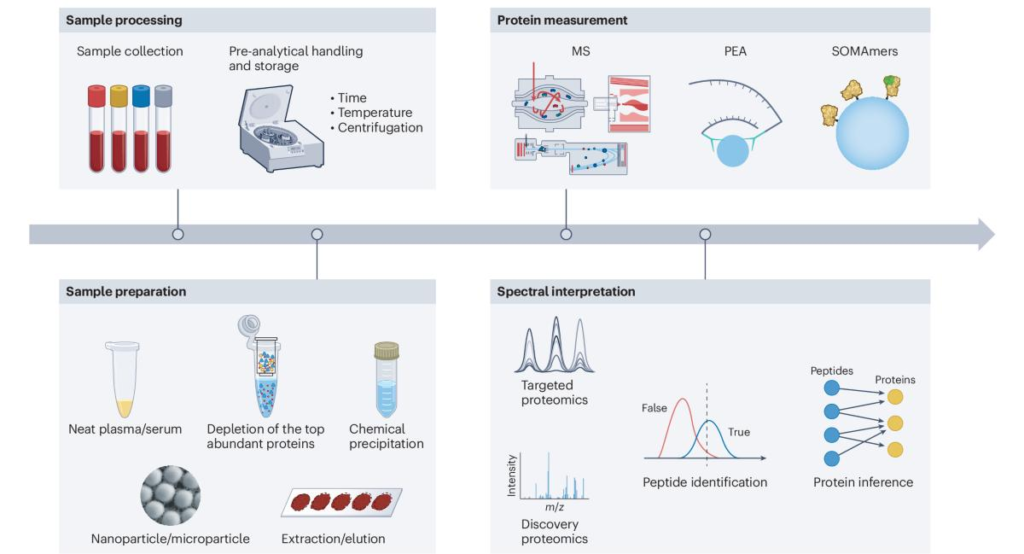
Instead of focusing only on estrogen and other reproductive hormones, researchers used advanced protein analysis to examine changes in the body’s molecular profile.
The Discovery of 16 Blood Proteins
The researchers identified a group of 16 proteins associated with the menopausal transition and biological pathways relevant to brain health.
These proteins were connected with several important biological processes:
- Neuroinflammation and immune-system activity.
- Neuronal maintenance and cellular support.
- Synaptic function and communication between neurons.
- Metabolic changes associated with aging.
- Biological pathways involved in Alzheimer’s disease.
The researchers investigated whether these molecular changes were more closely associated with menopausal stage or chronological age.
Their results suggested that the protein changes tracked more strongly with hormonal and menopausal status than with age alone.
This is an important distinction because two women of the same age may be at different stages of the menopausal transition.Neuroscience News+1
How Was the Research Conducted?
The investigation used several groups of women and different protein-analysis datasets.
This allowed researchers to examine both the biological changes occurring during menopause and their potential relationship with cognitive health later in life.
Initial Study of Menopausal Women
The first analysis included 80 women aged 43–58.
Researchers classified participants into three groups:
- Premenopausal women.
- Perimenopausal women.
- Postmenopausal women.
The researchers used advanced blood-protein profiling to investigate differences between these groups.
They identified molecular changes involving inflammatory, metabolic, synaptic, and Alzheimer’s-related biological processes.
Validation in 2,814 Women
The team then examined another group of 2,814 women using data from the UK Biobank.
This analysis helped validate the earlier observations.
Researchers identified broader changes in inflammatory and cellular aging pathways, including processes associated with brain aging.
Long-Term Analysis of Nearly 12,000 Women
One of the most important parts of the investigation involved four independent groups containing a combined total of 11,925 older women.
The researchers examined whether higher menopause-associated protein scores were related to cognitive performance and dementia risk.
They found that higher scores were consistently associated with poorer cognitive outcomes and an increased risk of Alzheimer’s dementia.
The associations were observed across datasets with follow-up periods extending up to 16 years.
This suggests that biological changes occurring around menopause may provide useful information for investigating long-term brain health.
However, the findings represent statistical associations, not proof that the protein changes directly cause dementia.Neuroscience News
Why Are Blood Proteins Important for Brain Health?
Proteins perform thousands of essential functions throughout the human body.
They help cells communicate, regulate inflammation, transport substances, repair tissues, and maintain biological structures.
Scientists increasingly use blood proteomics to investigate diseases because changes in circulating proteins may reflect biological processes occurring in different organs.
In brain research, blood proteins are particularly interesting because some are associated with neuronal activity, immune responses, vascular function, and neurodegeneration.
Neuroinflammation and the Aging Brain
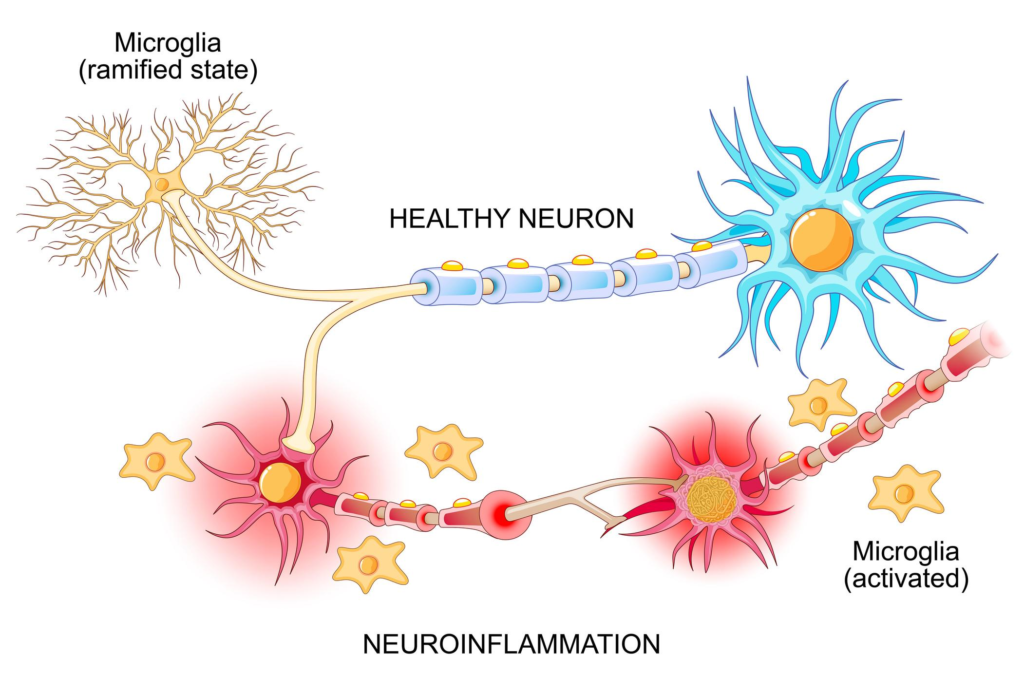
Neuroinflammation refers to immune-related activity within the nervous system.
The brain contains specialized immune cells called microglia, which help remove damaged cellular material and protect neural tissue.
Under normal conditions, these cells support brain health.
However, persistent or poorly regulated inflammatory activity may contribute to neuronal dysfunction and age-related neurological changes.
The menopause-associated protein signature identified in this study included proteins connected with inflammatory processes.
This provides another reason to investigate how hormonal transitions and immune-system changes may interact with brain aging.
Synaptic Function and Neuronal Maintenance
Neurons communicate through specialized connections called synapses.
These connections allow electrical and chemical signals to travel between brain cells.
Healthy synaptic function is essential for memory formation, learning, attention, and information processing.
As people age, changes in synaptic function and neuronal maintenance can contribute to cognitive difficulties.
The study identified menopause-associated protein changes involving pathways related to neuronal maintenance and synaptic biology.
These findings suggest that menopause-related biological changes may extend beyond reproductive health and could be relevant to the systems that maintain normal brain function.
Metabolic Changes and Biological Aging
Metabolism involves the chemical reactions that allow cells to obtain and use energy.
Hormonal changes during menopause can influence several metabolic processes, including body-fat distribution and glucose regulation.
The research also identified changes associated with broader biological aging processes.
This is important because brain health does not depend on the brain alone. Cardiovascular health, metabolic function, immune activity, and hormonal regulation all contribute to the body’s overall biological environment.
Does Menopause Increase the Risk of Alzheimer’s Disease?
The relationship between menopause and Alzheimer’s disease is an important area of scientific investigation.
Women represent a substantial proportion of people living with Alzheimer’s disease. Researchers are studying whether hormonal changes, genetic factors, cardiovascular health, and other biological differences contribute to this pattern.
Estrogen is one of the hormones receiving considerable attention.
The Role of Estrogen in Brain Function
Estrogen is involved in several biological processes beyond reproduction.
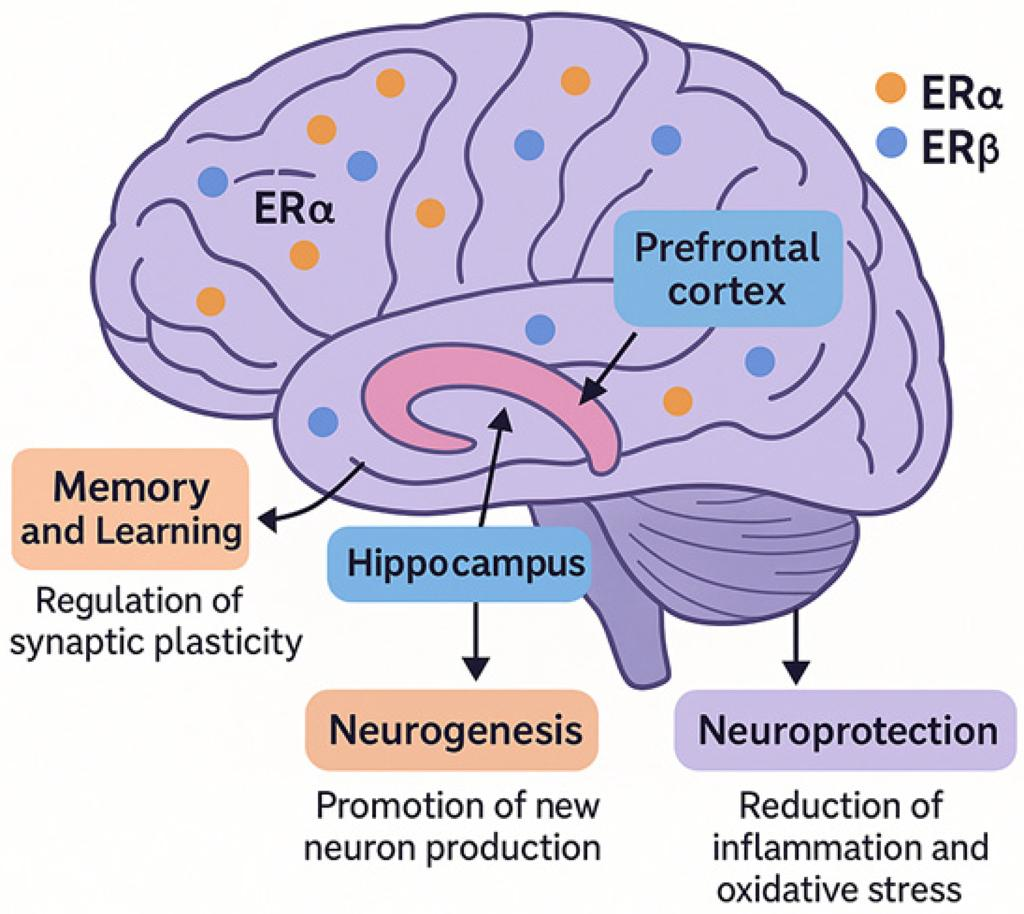
In the nervous system, estrogen receptors are present in different brain regions, including areas involved in memory and learning.
Research suggests that estrogen can influence:
- Neuronal communication.
- Synaptic plasticity.
- Cellular energy metabolism.
- Inflammatory responses.
- Mechanisms involved in neuronal protection.
During the menopausal transition, estrogen levels fluctuate and eventually decline.
Scientists are investigating whether these changes influence brain aging and vulnerability to neurodegenerative processes.
However, estrogen decline alone does not explain Alzheimer’s disease. Genetics, aging, vascular health, lifestyle, and other biological mechanisms also play important roles.
Why the Menopausal Transition Deserves Attention
Perimenopause and menopause represent periods of significant hormonal change.
Some women experience sleep disturbances, hot flashes, mood changes, and temporary difficulties with concentration or memory.
These experiences are not equivalent to Alzheimer’s disease.
The new research suggests that the menopausal transition may also be accompanied by measurable changes in blood proteins associated with long-term brain health.
This makes midlife an important period for studying the relationship between hormonal health and neurological aging.
Could a Blood Test Predict Dementia Risk in Women?
One of the most interesting future possibilities is the development of blood-based biomarker tests that could help scientists identify biological patterns associated with dementia risk.
Traditional dementia diagnosis involves clinical assessment, cognitive testing, medical history, and, when appropriate, brain imaging and laboratory investigations.
Blood-based biomarkers are attracting attention because they may offer less invasive ways to investigate biological changes associated with neurodegenerative diseases.
The new study provides another potential direction for this research.
How Could a Protein-Based Blood Test Work?
A future test might examine a combination of proteins rather than relying on a single biomarker.
Researchers could potentially evaluate:
- Inflammatory protein levels.
- Proteins associated with neuronal maintenance.
- Metabolic biomarkers.
- Proteins linked to Alzheimer’s-related biological pathways.
- Changes associated with menopausal stage.
Combining these measurements could eventually help scientists understand which biological patterns are associated with increased vulnerability to cognitive decline.
However, the 16-protein signature reported in this research is not yet an established clinical dementia screening test.
It has not been demonstrated to provide sufficiently accurate individual predictions for routine medical use.
Why Early Identification Matters
Identifying biological risk patterns earlier could eventually help researchers investigate preventive strategies before substantial cognitive impairment develops.
It could also support more personalized approaches to studying brain aging.
Nevertheless, an increased statistical risk does not mean that an individual will necessarily develop Alzheimer’s disease.
Many women with menopause-associated biological changes will never develop dementia.
What Can Women Do to Support Brain Health During Menopause?
Although researchers are still investigating the biological relationship between menopause and dementia, several established health practices can support overall well-being and healthy aging.
These practices are not proven treatments for the protein changes identified in the study, but they can help address important cardiovascular and metabolic factors associated with long-term brain health.
Eat a Balanced and Nutrient-Rich Diet
Nutrition is important for maintaining normal metabolic and neurological functions.
A balanced dietary pattern can include vegetables, fruits, whole grains, pulses, nuts, seeds, and appropriate sources of protein.
Indian food choices such as dal, rajma, chickpeas, green leafy vegetables, seasonal fruits, walnuts, almonds, and flaxseeds can contribute to a nutritious diet.
Foods containing healthy fats, fibre, vitamins, and minerals support normal bodily functions.
No specific food has been proven to prevent menopause-associated changes in the 16-protein signature.

Maintain Regular Physical Activity
Physical activity supports cardiovascular fitness, metabolic health, and general well-being.
Walking, swimming, cycling, yoga, and strength-training exercises can form part of a suitable exercise routine.
Regular movement can also support sleep and mood.
For women experiencing menopause-related physical changes, exercise plans should be adjusted according to individual fitness and medical needs.
Prioritize Sleep Quality
Sleep disturbances are common during the menopausal transition.
Hot flashes, night sweats, stress, and changes in sleep patterns can interfere with restorative sleep.
Maintaining a consistent bedtime, limiting late-evening caffeine, keeping the bedroom comfortable, and following a relaxing nighttime routine may help improve sleep habits.
Persistent insomnia or severe sleep disturbances deserve medical attention.
Monitor Blood Pressure and Blood Sugar
Cardiovascular and metabolic health are closely connected with long-term brain health.
High blood pressure, diabetes, and unhealthy cholesterol levels are important risk factors that deserve attention.
Regular health assessments can help identify these conditions and allow appropriate management.
Discuss Menopause Symptoms With Healthcare Professionals
Women experiencing troublesome menopausal symptoms should consider discussing their concerns with a qualified healthcare professional.
Hormone therapy may be appropriate for certain individuals depending on symptoms, medical history, age, and individual risks.
However, hormone therapy should not be started solely to prevent Alzheimer’s disease. Current evidence does not establish it as a dementia-prevention treatment.
What Are the Limitations of This Research?
Although the findings are important, several limitations must be considered before translating them into clinical recommendations.
The initial sample was relatively small. The first detailed analysis included 80 women aged 43–58. Although the researchers conducted additional validation analyses, larger and more diverse studies are needed.
Association does not establish causation. The study identified relationships between menopause-associated protein patterns and later cognitive outcomes. It does not prove that menopause or the identified proteins directly cause Alzheimer’s disease.
The protein signature is not a diagnostic test. The research does not establish the sensitivity, specificity, or clinical accuracy required for routine dementia screening.
Other factors may influence the results. Genetics, cardiovascular health, lifestyle, medication use, socioeconomic conditions, and other hormonal factors may influence biological aging and cognitive outcomes.
More diverse populations are needed. Additional research should examine whether the findings apply consistently across different ethnic, geographical, and socioeconomic populations.
Future studies should also investigate how these protein patterns change over time and whether modifying any of the associated biological pathways can improve long-term brain health.Neuroscience News
The Future of Women’s Brain Health Research
This study could encourage a broader approach to investigating women’s neurological health.
For many years, menopause research has focused heavily on reproductive hormones and physical symptoms. New proteomic approaches are helping scientists investigate the wider biological changes that occur during this transition.
Future research may explore several important questions.
Can the 16-protein signature become a reliable biomarker?
Researchers will need to determine whether the protein panel can accurately identify meaningful differences in future cognitive outcomes.
Can hormonal changes explain specific protein patterns?
Long-term studies may help clarify how estrogen fluctuations and other hormonal changes influence inflammation, metabolism, and neuronal maintenance.
Can early interventions improve brain resilience?
Scientists may investigate whether addressing sleep disturbances, cardiovascular risk factors, metabolic health, and other modifiable factors during midlife can improve long-term cognitive outcomes.
Can menopause-related biomarkers support personalized healthcare?
In the future, combining hormonal measurements, blood proteins, genetic information, and cognitive assessments may help researchers understand individual differences in brain aging.
These possibilities are promising research directions, but they require further validation before they can become routine medical practices.
Conclusion: Menopause May Provide a New Window Into Brain Aging
The November 2026 research published in Nature Medicine provides an important new perspective on the relationship between menopause, biological aging, and long-term brain health.
By identifying 16 blood proteins associated with the menopausal transition, researchers have highlighted molecular changes connected with neuroinflammation, neuronal maintenance, metabolism, and Alzheimer’s-related biological processes.
The investigation also found that higher menopause-associated protein scores were linked to poorer cognitive outcomes and a modestly increased risk of Alzheimer’s dementia in later life.
These findings do not mean that menopause causes dementia or that every woman experiencing hormonal changes faces an increased likelihood of developing Alzheimer’s disease.
Instead, the research suggests that the menopausal transition deserves greater attention in studies of women’s brain health.
Future research could help establish whether blood-based protein signatures can become useful tools for understanding neurological aging and identifying potential opportunities for earlier intervention.
Ultimately, understanding menopause as a whole-body biological transition may help scientists develop more comprehensive approaches to supporting women’s health throughout aging.
Research Details and References
| Research information | Details |
|---|---|
| Research title | Blood proteomics of menopause map to brain aging and dementia risk |
| Journal | Nature Medicine |
| Publication date | November 2, 2026 |
| Main institutions | UCSB, UCSF and collaborating institutions |
| Initial participants | 80 women |
| Validation group | 2,814 women |
| Longitudinal cohorts | 11,925 older women |
| Main finding | 16 menopause-associated blood proteins |
| Research area | Menopause, brain aging and dementia |