
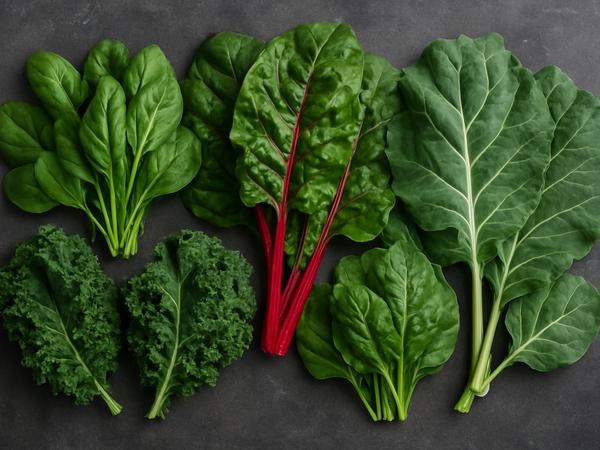
Leafy greens such as spinach, methi, coriander, lettuce, amaranth, kale, mustard greens, and moringa leaves are nutritious additions to everyday meals. But because these vegetables can carry soil, dirt, microbes, and pesticide residues, proper handling is important from the moment you bring them home until they reach your plate.
The good news is that safely preparing leafy greens doesn’t have to be complicated. A few simple habits—clean hands, clean utensils, thorough rinsing, proper refrigeration, and safe cooking—can make a big difference. 🌿


🌱 Why Leafy Greens Need Careful Handling
Leafy vegetables have many folds, stems, and uneven surfaces where dirt and microorganisms can become trapped. Greens purchased from markets may also contain soil or other residues from harvesting, transportation, and handling.
This doesn’t mean you should avoid leafy greens. Quite the opposite—they are valuable sources of fiber, vitamins, minerals, and plant compounds.
The goal is simply to handle them appropriately.
Good food-safety habits include:
- 🧼 Washing your hands before preparation
- 🚰 Rinsing fresh greens under clean running water
- 🔪 Using clean knives and cutting boards
- 🧊 Refrigerating perishable greens promptly
- 🍳 Cooking greens thoroughly when appropriate
- 🥗 Preventing contact between raw vegetables and raw meat or seafood
🧼 Step 1: Wash Your Hands First
Before touching your leafy greens, wash your hands with soap and clean running water.
This is one of the simplest and most important food-safety steps.
Wash your hands:
- Before preparing food
- After using the bathroom
- After handling raw meat, poultry, or seafood
- After touching garbage
- After handling pets
- Before eating
A good handwashing routine helps prevent microorganisms from being transferred to vegetables and other foods.
🥬 Step 2: Inspect the Greens
Before washing, look through the leaves.
Remove:
🍂 Yellow or badly wilted leaves
🪲 Visible insects
🟤 Rotten sections
🦠 Moldy leaves
🌿 Excessively damaged stems
If one leaf has mold or significant spoilage, don’t simply rinse the affected area and assume the entire leaf is safe. Discard visibly moldy or spoiled produce.
For bunches of spinach, methi, coriander, or amaranth, separate the leaves from the bunch so you can inspect them more effectively.
🚰 Step 3: Wash Under Running Water
For most fresh leafy greens, the most practical cleaning method is to rinse them thoroughly under clean running water.
Place the leaves in a clean colander or hold a manageable amount under the tap.
Gently rub or move the leaves around with your hands to help loosen dirt.
Pay particular attention to:
- 🌿 Stems
- 🍃 Leaf folds
- 🌱 Crevices
- 🪴 Areas with visible soil
Continue rinsing until visible dirt is gone.
Important:
Do not use soap or household detergent to wash leafy vegetables.
These products are not designed for consumption and can leave residues.
💧 Should You Soak Leafy Greens?
Many people soak vegetables in water before cooking. Soaking can help loosen dirt, but it isn’t a substitute for thorough rinsing under clean running water.
If you prefer soaking greens:
- Place them in a clean bowl of water.
- Gently move the leaves around.
- Drain the water.
- Rinse them again under running water.
- Drain thoroughly.
If the water becomes visibly dirty, replace it.
For everyday food safety, thorough washing under running water is a straightforward approach.
🧴 What About Vegetable Washing Solutions?
You may see commercial vegetable-washing liquids, vinegar solutions, baking soda, or other home remedies recommended online.
These are not necessary for routine washing.
Avoid using bleach, disinfectants, soap, or household cleaning chemicals on food.
If you use a commercial produce wash, follow its food-safety instructions carefully and use only products specifically intended for produce.
Clean running water and proper handling remain fundamental.
🌿 How to Wash Different Leafy Greens
Different greens need slightly different preparation.
🥬 Spinach
Separate individual leaves and rinse thoroughly, especially around stems and folds.
For bunch spinach, several rinses may be necessary if the leaves contain visible soil.
🌱 Methi
Methi can contain quite a bit of soil.
Remove the roots and damaged leaves.
Separate the leaves and stems.
Rinse repeatedly until the water is free from visible dirt.
Drain thoroughly before chopping.
🌿 Coriander
Coriander has delicate stems and leaves that can trap soil.
Trim the bottom portion of the bunch and gently separate the stems.
Rinse under cool running water.
Shake off excess water and dry before refrigeration.
🥬 Lettuce
Remove damaged outer leaves.
Separate the leaves.
Rinse thoroughly under running water.
Dry well, particularly if storing for later use.
🌿 Kale
Separate the leaves from thick stems if desired.
Rinse each leaf carefully.
Massage or rub gently under running water to remove dirt.
🔪 Step 4: Use Clean Cutting Boards and Knives
Once your greens are washed, prepare them using clean kitchen equipment.
Avoid cutting washed vegetables on a cutting board that has just been used for raw meat or seafood unless it has been thoroughly cleaned and sanitized.
Ideally, use separate cutting boards for:
🥩 Raw meat
🥬 Vegetables
🍞 Bread and ready-to-eat foods
This helps reduce the risk of cross-contamination.
🥗 Step 5: Dry the Leaves Properly
If you’re going to eat leafy greens raw, drying them after washing is particularly useful.
Excess water can make salads soggy and can accelerate spoilage during storage.
Easy methods:
- 🥬 Salad spinner
- 🧻 Clean paper towel
- 🧺 Clean kitchen towel
- 🌬️ Allowing leaves to air-dry briefly
Don’t leave perishable greens sitting at room temperature for extended periods.
For salads, dry the leaves as thoroughly as practical before assembling the dish.
🧊 How to Store Leafy Greens Safely
Proper storage is just as important as washing.
Fresh leafy greens should generally be kept refrigerated.
Storage routine
- Remove damaged leaves.
- Wash only if you plan to use them soon, unless your storage method specifically accounts for drying.
- If washed, dry thoroughly.
- Wrap loosely in a clean paper towel or use an appropriate storage container.
- Refrigerate promptly.
Different greens have different storage lives, so check them regularly.
If leaves become:
🦠 Moldy
🟤 Slimy
👃 Strongly unpleasant-smelling
🥀 Severely decomposed
discard them.
🧊 Should You Wash Greens Before Storing Them?
There’s no single approach that works perfectly for every household.
If you wash greens before storing them, drying them thoroughly is essential because trapped moisture can encourage spoilage.
Alternatively, you can store them unwashed and wash them immediately before use.
The important principle is:
Keep stored greens clean, dry enough to limit excess moisture, cold, and protected from contamination.
🌡️ Keep Your Refrigerator Cold
Leafy greens are perishable foods.
Keep your refrigerator at a safe temperature, generally 40°F (4°C) or below, and avoid leaving cut or prepared greens at room temperature for long periods.
Store them away from foods that could contaminate them, particularly raw meat, poultry, and seafood.
🍳 Step 6: Cook Leafy Greens Safely
Cooking can make many leafy greens softer, more palatable, and easier to incorporate into meals.
Depending on the recipe, you can:
🥘 Sauté
🍲 Simmer
🥣 Steam
🍛 Add to curries
🥬 Stir-fry
Cooking times vary considerably.
Don’t overcook unnecessarily
Some vitamins, particularly vitamin C and certain B vitamins, are sensitive to heat and prolonged cooking.
A practical approach is to cook greens until they reach the desired texture without unnecessarily prolonged cooking.
🌿 Should You Eat Leafy Greens Raw or Cooked?
Both options can fit into a healthy diet.
Raw Greens 🥗
Good choices include:
- Lettuce
- Tender spinach
- Arugula
- Fresh herbs
- Baby greens
They’re convenient for salads and sandwiches.
Cooked Greens 🍲
Cooking works especially well for:
- Methi
- Amaranth
- Mustard greens
- Mature spinach
- Kale
- Moringa leaves
Cooking can soften tough leaves and change the texture and flavor.
The best strategy is to enjoy both raw and cooked greens according to the type of vegetable and your preference.
🥗 How to Prepare Leafy Greens for Salads
If you’re making a raw salad:
Step 1
Inspect the leaves.
Step 2
Remove damaged portions.
Step 3
Separate the leaves.
Step 4
Rinse thoroughly under clean running water.
Step 5
Dry using a salad spinner or clean towel.
Step 6
Cut using clean equipment.
Step 7
Add other washed vegetables.
Step 8
Serve promptly or refrigerate.
Avoid preparing a large salad and leaving it unrefrigerated for an extended period.
🍛 Preparing Leafy Greens for Indian Cooking
Leafy greens are particularly common in Indian cuisine.
For dishes such as palak, methi, sarson ka saag, dal, and leafy-green stir-fries, follow a simple process.
🌿 Basic method
1. Pick: Remove damaged leaves and thick unwanted stems.
2. Wash: Rinse thoroughly under clean running water.
3. Drain: Remove excess water.
4. Chop: Use a clean knife and board.
5. Cook: Add to your chosen recipe.
6. Serve: Eat promptly or refrigerate leftovers.
This method works for spinach, methi, amaranth, mustard greens, and many other leafy vegetables.
🥣 Easy Safe Leafy-Green Recipe
Spinach Dal
Ingredients
- 1 cup lentils
- 2 cups washed and chopped spinach
- 1 tomato
- ½ teaspoon turmeric
- 1 green chili
- 1 teaspoon oil
- ½ teaspoon cumin
- 2 garlic cloves
- Salt to taste
- Lemon juice
Preparation
Wash the spinach thoroughly.
Cook the lentils with tomato, turmeric, and water until soft.
Add the chopped spinach and cook until tender.
Prepare a simple tempering with oil, cumin, and garlic.
Add the tempering to the dal.
Finish with lemon juice.
Serve with rice or whole-wheat roti.
🥗 This combines leafy greens with legumes to create a nutritious everyday meal.
🥬 How to Handle Pre-Cut or Bagged Greens
Pre-washed and packaged leafy greens can be convenient.
If the package states that the greens are ready-to-eat or pre-washed, follow the package instructions.
If the package is damaged, leaking, unusually swollen, or the greens appear spoiled, don’t use them.
Once opened:
- Keep refrigerated.
- Follow the package’s use-by guidance.
- Keep the package clean.
- Don’t allow raw meat or other potentially contaminating foods to contact it.
If the package specifically instructs you to wash the greens before eating, follow those directions.
🚫 Common Leafy-Green Washing Mistakes
Several popular habits aren’t particularly useful or may even create problems.
❌ Using Dish Soap
Don’t wash vegetables with dishwashing liquid.
❌ Using Household Bleach
Bleach and other disinfectants should not be used directly on food.
❌ Assuming “Organic” Means No Washing
Organic produce can still carry soil and microorganisms. Wash it appropriately.
❌ Washing and Storing Greens While They’re Very Wet
Excess moisture can encourage spoilage.
❌ Cutting Before Washing
If possible, wash whole leaves before cutting them. Cutting first can spread contaminants across more surface area.
❌ Using a Dirty Sink
The sink itself can harbor microorganisms. Clean the sink and surrounding area before preparing produce.
🧽 Clean Your Kitchen Surfaces
Food safety doesn’t stop at the vegetable.
Clean:
🔪 Knives
🪵 Cutting boards
🥣 Bowls
🚰 Sinks
🍽️ Plates
🧽 Kitchen surfaces
Wash utensils with hot, soapy water after food preparation.
Pay particular attention after handling raw meat, poultry, or seafood.
🥬 Leafy Greens and Pesticide Residues
People sometimes worry about pesticide residues on leafy vegetables.
Washing fresh produce under running water can remove some dirt, bacteria, and surface residues, although washing does not remove every pesticide residue.
Peeling isn’t practical for leafy greens, so careful washing is particularly useful.
Don’t use household chemicals to try to “detox” vegetables.
The best approach is to buy produce from reliable sources, wash it properly, and maintain good food-handling practices.
🌿 Special Tips for Leafy Greens From Home Gardens
Home-grown greens can be wonderfully fresh, but they still require careful cleaning.
Before harvesting, avoid allowing leaves to come into contact with:
🐕 Animal feces
🪴 Contaminated soil
🚿 Unsafe irrigation water
🗑️ Waste materials
After harvesting:
- Inspect the leaves.
- Remove damaged portions.
- Wash under clean running water.
- Dry appropriately.
- Refrigerate if not using immediately.
If you’re growing greens yourself, safe water, clean soil, and hygienic gardening practices are important.
🧊 Can You Freeze Leafy Greens?
Yes. Some leafy greens freeze well, particularly when they will later be used in cooked dishes.
Spinach, kale, and other sturdy greens can be blanched briefly before freezing.
Basic method
- Wash thoroughly.
- Remove unwanted stems.
- Blanch briefly in boiling water.
- Cool quickly.
- Drain thoroughly.
- Pack into suitable freezer containers.
- Label and freeze.
Frozen greens are useful for:
🥣 Soups
🍛 Curries
🥣 Dal
🍳 Omelets
🥬 Smoothies
Freezing can extend storage life, although texture may change after thawing.
🥗 How to Keep Salads Safe
Salads containing leafy greens are ready-to-eat foods, so hygiene is particularly important.
Keep in mind:
- Wash hands before preparation.
- Wash produce thoroughly.
- Use clean utensils.
- Keep ingredients refrigerated.
- Don’t mix raw meat with salad ingredients.
- Don’t leave finished salads at room temperature for extended periods.
If you’re preparing a salad for a gathering, keep it chilled until serving.
👨👩👧 Safe Greens for Children
Leafy greens can be part of children’s diets when prepared appropriately for their age and developmental stage.
For younger children:
🥬 Cook greens until tender.
🔪 Chop them into age-appropriate pieces.
🥣 Mix them into familiar foods such as dal or mashed vegetables.
🌿 Introduce new foods gradually.
Always consider choking risks and age-appropriate food textures.
💡 10 Golden Rules for Leafy-Green Safety
Keep these simple rules in mind:
- 🧼 Wash your hands before preparing food.
- 🥬 Inspect greens and discard spoiled leaves.
- 🚰 Rinse fresh greens under clean running water.
- 🧴 Never use soap or household chemicals on food.
- 🔪 Use clean knives and cutting boards.
- 🥗 Wash raw salad ingredients carefully.
- 🧻 Dry greens before storing when appropriate.
- 🧊 Refrigerate perishable greens promptly.
- 🍳 Cook greens according to the recipe and food-safety needs.
- 🧽 Prevent cross-contamination in the kitchen.
❓ Frequently Asked Questions
Should I wash spinach before cooking?
Yes. Fresh spinach should be inspected and thoroughly rinsed under clean running water before cooking.
Should I wash leafy greens with salt water?
Salt water is not necessary for routine produce washing. Thorough rinsing under clean running water is a practical method.
Can I wash leafy greens with vinegar?
Vinegar may help remove some surface contamination, but it isn’t necessary for routine produce washing and doesn’t replace good food-safety practices.
Should I use soap to wash vegetables?
No. Do not use dish soap or household detergents on food.
How long can washed greens stay outside the refrigerator?
Perishable produce should not be left at room temperature for extended periods. Refrigerate promptly, especially after cutting or washing.
Is pre-washed spinach safe to eat directly?
If the package clearly says it is ready-to-eat or pre-washed, follow the manufacturer’s instructions. Keep it refrigerated and use it within the recommended period.
Can I eat leafy greens without cooking?
Yes. Suitable leafy greens can be eaten raw when properly washed and handled. Tender spinach and lettuce are common examples.
Why do my leafy greens spoil quickly?
Excess moisture, warm temperatures, damaged leaves, and prolonged storage can accelerate spoilage. Refrigeration and appropriate drying can help extend freshness.
🌿 Final Thoughts
Leafy greens are an excellent part of a nutritious diet, but their benefits are best enjoyed when they are handled, washed, stored, and cooked safely.
The process doesn’t need to be complicated. Start with clean hands, inspect your vegetables, rinse them thoroughly under clean running water, use clean kitchen equipment, and refrigerate them appropriately. Avoid soap, bleach, and other household chemicals when cleaning food. 🥬🚰
For cooked dishes, leafy greens such as spinach, methi, amaranth, mustard greens, kale, and moringa can be added to dals, soups, curries, stir-fries, and other meals. For salads, wash and dry the leaves carefully and keep the finished dish chilled.
Most importantly, remember that food safety is part of healthy eating. Nutritious vegetables can provide fiber, vitamins, minerals, and plant compounds, while good handling practices help you enjoy them with greater confidence.
So the next time you bring home a fresh bunch of greens, take a few extra minutes to clean and prepare them properly. 🌿💚
Clean greens + safe handling + balanced cooking = a healthier, more enjoyable meal. 🥗✨