
Health Research · Cancer Prevention · Gut Microbiome · Medical Technology


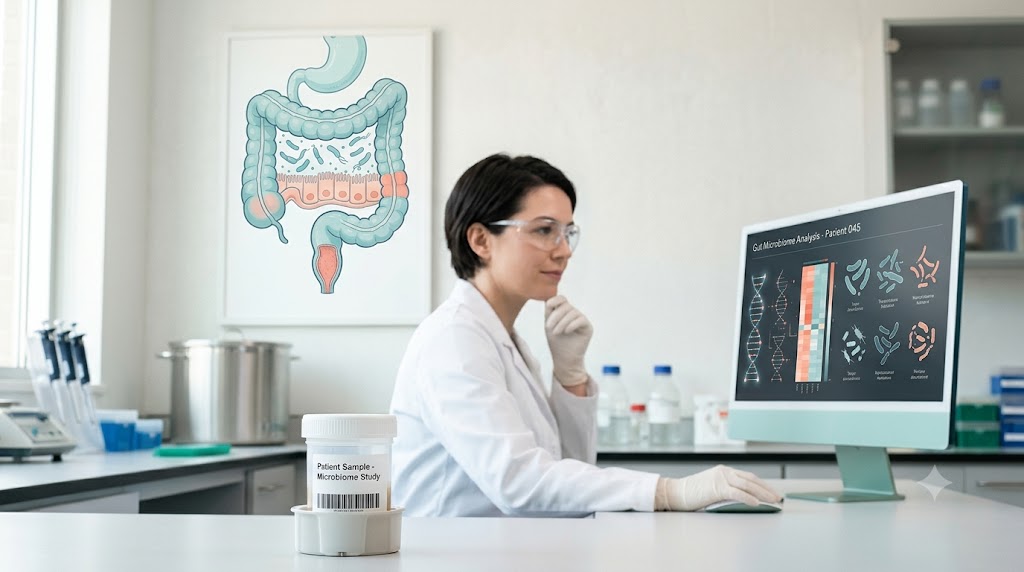
A simple stool sample may one day provide more information about colorectal cancer risk by revealing not only hidden blood or altered DNA, but also specific microbial markers associated with disease. New research published in 2026 has explored whether targeted testing of gut bacteria can help distinguish people with colorectal cancer from those without it.
The study, published in Bioscience, Biotechnology, and Biochemistry, investigated microbial markers using quantitative polymerase chain reaction (qPCR), a laboratory method that measures specific genetic sequences. The findings are encouraging, but they do not establish a new, reliable screening test for everyday clinical use.
Understanding colorectal cancer and the importance of early detection
Colorectal cancer develops in the colon or rectum, which are parts of the large intestine. In many cases, the disease begins as a polyp, a growth in the lining of the bowel. Some polyps can develop into cancer over time, although most polyps do not become cancerous.
Early detection matters because colorectal cancer may be easier to treat before it spreads to other parts of the body. However, early disease does not always cause obvious symptoms. A person may feel healthy while an abnormal growth is developing.
Symptoms that warrant medical evaluation include persistent changes in bowel habits, blood in the stool, unexplained weight loss, ongoing abdominal discomfort, and unusual fatigue that may be associated with anemia. These symptoms can have many causes, but they should not be ignored.
Screening offers a way to investigate potential disease before symptoms appear. Traditional screening methods include stool tests that look for hidden blood, molecular tests that identify cancer-associated DNA changes, and colonoscopy, which allows clinicians to examine the bowel directly.
The new research into gut microbial markers explores another possibility: identifying patterns in the microorganisms living in the digestive tract that might be associated with colorectal cancer.
What did the 2026 research discover?

The study, titled Disease-specific gut microbial signatures generate model-derived cancer probability scores through targeted fecal qPCR profiling, was conducted by researchers affiliated with Fujita Health University and collaborators.
The research appeared in the September 2026 journal issue, although the article was first made available online on June 18, 2026. The investigators evaluated six fecal microbial markers and developed separate statistical models for colorectal cancer and pancreatic cancer.
Rather than sequencing every microorganism present in a stool sample, the team used targeted qPCR to examine selected microbial genetic markers.
This approach has a potential practical advantage. Targeted testing may be simpler to standardize than comprehensive microbiome sequencing, which generates large amounts of data and requires specialized analysis. Whether that advantage translates into an affordable, accurate, widely available clinical test still needs to be demonstrated.
The main findings
The researchers reported the following area-under-the-curve (AUC) values for their models:
Colorectal cancer model
Ability to distinguish cancer from control samples
0.824
AUC
Pancreatic cancer model
Ability to distinguish cancer from control samples
0.780
AUC
Colorectal adenoma
Evaluation in a clinically related group
0.716
AUC
Pancreatic high-risk group
Distinguishing high-risk individuals without overt cancer from controls
0.540
AUC
Source: Fujii and colleagues, 2026. These are study-specific model discrimination results, not the percentage of cancers detected.
These results suggest that microbial patterns may contain useful information about cancer status. However, the weaker result in the pancreatic high-risk group also illustrates an important challenge: a model that distinguishes established cancer cases from controls may not perform nearly as well when applied to the more difficult task of identifying disease risk before cancer becomes apparent.
What does an AUC of 0.824 mean?
AUC measures how well a model ranks people with a particular condition above people without it. An AUC of 0.5 indicates discrimination equivalent to random ranking, while an AUC of 1.0 represents perfect discrimination.
An AUC of 0.824 suggests that the colorectal cancer model showed useful discrimination within the study’s evaluation framework.
However, an AUC of 0.824 does not mean the test detects 82.4% of cancers. Nor does it tell us how often a positive result will represent actual cancer in a population undergoing routine screening.
For those questions, researchers need additional information, including sensitivity, specificity, predictive values, performance at a prespecified threshold, and results from independent prospective studies.
The findings therefore provide a scientific basis for further investigation, rather than proof that a new stool test is ready for widespread use.
How can gut bacteria provide clues about cancer?

The human gut contains a complex community of bacteria and other microorganisms, collectively known as the gut microbiome. These organisms interact with food, the intestinal lining, the immune system, and substances produced during digestion.
A healthy microbiome is not defined by one ideal combination of bacteria. Its composition varies among individuals and is influenced by diet, age, medications, lifestyle, geography, and health conditions.
Scientists are investigating whether certain microbial genes, species, or combinations of microorganisms are associated with colorectal cancer. Such patterns might reflect changes in the intestinal environment that accompany the development of disease.
Microbial genes as potential biomarkers
A biomarker is a measurable feature that provides information about a biological process or condition. In cancer research, biomarkers can include proteins, DNA alterations, chemical substances, or microbial genetic sequences.
Some microorganisms can produce compounds that influence inflammation, intestinal barrier function, or interactions with host cells. Researchers are studying whether particular microbial activities are associated with changes in the colon that contribute to cancer development or reflect the presence of an existing tumor.
The 2026 study used six fecal microbial markers to build its models. Four markers were selected for the colorectal cancer model: afb, nan, fsr, and 5ar. Three were selected for the pancreatic cancer model: but, fsr, and saa. These are the study’s marker labels; they should not be interpreted as a list of bacteria that independently diagnose cancer.
The distinction is important because a microbial marker may be associated with cancer without directly causing it. It may be part of a biological response to disease, a result of changes in the intestinal environment, or a signal influenced by other factors.
Why a combination of markers may be useful
A single microbial feature may vary considerably between individuals. A model that combines several markers can potentially capture a more informative pattern than any one marker alone.
For example, two people may carry the same microorganism but have different microbial gene abundances, diets, medication histories, or underlying health conditions. A combination of signals may help account for some of this variation.
Statistical models can assign weights to selected markers and generate a score associated with the condition being studied. The resulting score is not a direct measurement of tumor size or a definitive diagnosis. It estimates how closely a sample matches patterns learned from the study data.
The next challenge is to determine whether that score remains reliable when used in new patients, at different hospitals, and in populations with different backgrounds.
How does a targeted qPCR stool test work?
Quantitative polymerase chain reaction is a laboratory technique used to detect and measure selected genetic sequences. It is widely used in molecular diagnostics and research.
A possible workflow for a microbial stool test includes the following stages.

Sample collection
A stool sample is collected using a suitable container or kit and transported according to the laboratory’s instructions.

Genetic material extraction
The laboratory processes the sample to obtain the genetic material needed for analysis.

Targeted qPCR analysis
Specific genetic sequences are amplified and measured to assess the selected microbial markers.

Model-based interpretation
The measured markers are entered into a validated statistical model, if one is available for the intended clinical application.
The exact workflow for a future clinical product may differ from this general illustration. The 2026 study evaluated a research model; it did not establish that consumers can order a validated, routine cancer-screening kit based on its findings.
Why targeted testing could be practical
Comprehensive microbiome sequencing can examine a broad range of microbial genetic material. However, large datasets may require more extensive laboratory processing, bioinformatics, and interpretation.
Targeted qPCR instead focuses on a defined set of genetic sequences. This could make it easier to standardize the laboratory process, automate measurements, and potentially reduce complexity.
Nevertheless, a targeted method is only as useful as its selected markers, sample handling, analytical performance, and validated interpretation rules. A simpler laboratory technique does not automatically produce a more accurate screening test.
How is microbial testing different from existing stool tests?
Stool-based colorectal cancer screening is already an established medical practice. The new research is not the first attempt to use a stool sample for cancer detection. Its distinctive feature is the investigation of targeted microbial genetic markers.
The major differences are summarized below.
| Test | What it looks for | Main consideration |
|---|---|---|
| FIT | Hidden human blood in stool | A positive result requires follow-up evaluation |
| High-sensitivity gFOBT | Hidden blood using a chemical reaction | Certain foods and other factors can affect results |
| Multitarget stool DNA test | Blood and selected DNA markers associated with colorectal cancer | Detects molecular signals beyond blood alone |
| Experimental microbial qPCR | Selected microbial genetic markers associated with disease | Clinical screening performance has not yet been established for this research model |
| Colonoscopy | Polyps, abnormal tissue, and tumors inside the colon | Allows tissue sampling and removal of many polyps |
FIT stands for fecal immunochemical test, while gFOBT stands for guaiac-based fecal occult blood test. Both are established stool screening approaches. Multitarget stool DNA tests are another option in settings where they are available and recommended.
Why hidden blood is an important screening signal
Colorectal cancers and some polyps can bleed in small amounts. FIT uses antibodies to detect human hemoglobin in stool, including blood that cannot be seen with the naked eye.
Because FIT does not require the patient to undergo colonoscopy as the initial step, it can make screening more accessible. However, not every cancer or precancerous lesion bleeds consistently. A negative FIT result therefore does not exclude all colorectal cancers.
How stool DNA tests add another layer
Multitarget stool DNA tests examine selected molecular changes alongside a blood signal. These changes can be released into stool by cells shed from the intestinal lining.
The National Cancer Institute describes approved stool screening methods and explains that positive stool results generally require colonoscopy. It also reports that newer multitarget stool DNA testing can detect more colorectal cancers than FIT alone in certain study populations, although specificity and false-positive results must also be considered.
What makes microbial testing different?
Microbial testing examines signals from microorganisms rather than relying exclusively on human blood or tumor-associated DNA.
This may offer complementary biological information. In the future, combining microbial markers with FIT or other established biomarkers might improve risk assessment for certain groups.
However, that possibility must be tested directly. The 2026 study did not establish that adding its microbial markers to FIT improves screening accuracy, reduces unnecessary colonoscopies, or prevents colorectal cancer deaths.
Can the test detect precancerous polyps?
One important goal of colorectal screening is to identify precancerous changes before they progress to cancer.
The 2026 researchers applied their colorectal cancer model to samples from people with colorectal adenomas. The model achieved an AUC of 0.716 in this related group.
This finding is relevant because adenomas are a type of polyp that can sometimes develop into colorectal cancer.
However, the result requires careful interpretation. An AUC of 0.716 indicates a degree of discrimination in the evaluated data; it does not show that the model can reliably detect every adenoma, nor does it establish its performance in routine screening.
A screening test designed to identify precancerous lesions must be evaluated against colonoscopy findings and pathology results. Researchers also need to determine whether it can identify clinically important lesions while avoiding excessive false-positive results.
Colonoscopy has an additional advantage: clinicians can remove many polyps during the same procedure. A microbial test would not remove a polyp or confirm its pathology. It would potentially identify people who should undergo further examination.
That distinction could shape the eventual role of microbial testing. Rather than replacing colonoscopy, it might one day help identify individuals who would benefit from it, provided clinical trials demonstrate a meaningful benefit.
The pancreatic cancer connection: promising, but a different question
Although this article focuses on colorectal cancer, the 2026 study also examined pancreatic cancer. This is important because it demonstrates that microbial markers are being investigated across different gastrointestinal cancers.
Pancreatic cancer can be difficult to detect early because symptoms may be absent or nonspecific. The researchers developed a separate model using a different combination of microbial markers.
The pancreatic cancer model had an AUC of 0.780 when distinguishing cancer from control samples. In an exploratory comparison involving early pancreatic cancer and a high-risk group without overt cancer, the microbial score achieved an AUC of 0.739, compared with 0.543 for serum CA19-9. However, the difference was not statistically significant. The model also performed poorly when distinguishing the pancreatic high-risk group from controls, with an AUC of 0.540.
These results should not be taken as evidence that a stool test can currently screen the general population for pancreatic cancer. The study’s findings are exploratory, and the performance in people without overt cancer highlights the challenge of using biomarkers for early risk assessment.
Colorectal cancer and pancreatic cancer are distinct diseases. A microbial marker panel developed for one should not automatically be assumed to work for the other.
What are the major limitations of the study?
Encouraging early findings are most useful when considered alongside the questions that remain unanswered.
The need for independent validation
The researchers used leave-one-out cross-validation to evaluate their models. In this approach, a model is evaluated repeatedly while one observation at a time is left out of the training data.
This technique helps assess how a model performs on withheld observations, but it is not equivalent to validation in an entirely independent population.
A model may perform differently when used in another hospital, another country, or a population with different dietary patterns, microbiome composition, medical histories, and cancer prevalence.
Independent validation is necessary to determine whether the results are reproducible beyond the data used to develop the model.
Association does not prove causation
A microbial pattern associated with colorectal cancer does not necessarily cause cancer.
Cancer may change the intestinal environment, which could alter the abundance or activity of microorganisms. Alternatively, microbial activity could contribute to disease processes, or both could be influenced by other factors.
The 2026 research investigated associations and predictive models. It did not establish that the selected microbial markers cause colorectal cancer or that changing them would prevent the disease.
This distinction matters when communicating findings to the public. A stool marker should not be presented as proof that a person’s gut bacteria are unhealthy or that dietary changes alone can eliminate cancer risk.
Performance in early disease remains uncertain
A screening test needs to identify disease at a stage when early intervention may improve outcomes.
A model that distinguishes known cancer cases from controls may benefit from differences that are more pronounced in established disease. Those differences may be smaller in early-stage cancers, in small precancerous lesions, or in people with elevated risk but no detectable tumor.
The pancreatic high-risk results in this study illustrate why early detection requires separate evaluation rather than assumptions based on overall cancer-versus-control performance.
The colorectal model’s reported performance also needs to be translated into clinically useful sensitivity and specificity at a defined threshold.
False positives and false negatives
A false-positive result occurs when a test indicates elevated concern despite the absence of the target disease. A false-negative result occurs when the test fails to flag someone who has the disease.
False positives can lead to anxiety, additional testing, cost, and unnecessary procedures. False negatives can provide false reassurance and delay diagnosis.
The balance between these errors depends on the model’s threshold and the population being screened. The 2026 study’s AUC values alone cannot tell readers how often either type of error would occur in routine practice.
Diet, medication, and individual variation
The gut microbiome varies substantially among individuals. Diet, antibiotics, other medications, digestive conditions, age, and environmental factors may influence microbial measurements.
A future test would need standardized collection and processing procedures, reproducible laboratory measurements, and evidence that these sources of variation do not undermine its clinical accuracy.
Researchers should also evaluate performance across different demographic groups and healthcare settings to identify possible disparities.
Clinical usefulness must be demonstrated
A test can show statistical discrimination without improving patient outcomes.
For a new microbial stool test to become clinically useful, researchers must determine whether it identifies cancers earlier, helps detect clinically important precancerous lesions, reduces unnecessary procedures, and fits into a screening pathway that patients can realistically access.
Large prospective studies would help answer these questions. Ideally, they would assess participants before their cancer status is known, compare the test with appropriate reference examinations, and follow outcomes over time.
The central question is not simply whether microbial patterns correlate with cancer. It is whether using those patterns improves real-world screening and care.
Who should consider colorectal cancer screening?
The appropriate screening method depends on age, personal and family medical history, symptoms, and local clinical recommendations.
The American Cancer Society’s 2026 guidance recommends that adults at average risk in the United States begin colorectal cancer screening at age 45. Screening recommendations may differ between countries and healthcare systems, so people should follow the guidance applicable to their circumstances.
People with a family history of colorectal cancer, a history of certain polyps, inflammatory bowel disease, or inherited cancer syndromes may need earlier or more frequent assessment.
People with symptoms should not assume that a routine screening test is sufficient. Rectal bleeding, persistent bowel changes, unexplained anemia, or unexplained weight loss warrant medical evaluation even if a previous stool test was negative.
In India, the availability of specific screening tests and organized screening programs may vary by location and healthcare facility. A clinician can help determine the appropriate investigation based on age, symptoms, family history, and individual risk.
Important: The experimental microbial qPCR model discussed in the 2026 study should not replace established screening or diagnostic procedures. If a stool screening test is positive, timely follow-up with a clinician and appropriate colonoscopy is essential.
Could microbial stool testing become part of routine healthcare?

Several developments could determine whether microbial stool testing becomes a useful addition to cancer screening.
Combining different biomarkers
Future research could investigate whether microbial genetic markers improve the performance of existing stool tests when combined with human DNA markers or hidden-blood detection.
The potential advantage would be complementary information from different biological sources. However, adding more biomarkers does not automatically improve a test. Researchers must demonstrate that the combination produces better results than the existing tests alone.
More accessible laboratory testing
Targeted qPCR may eventually support standardized testing in laboratories that already have molecular diagnostic equipment.
Potential advantages include a relatively focused analysis and the possibility of processing samples without the extensive sequencing and computational analysis required by some microbiome studies.
Actual affordability and availability would depend on laboratory validation, quality-control requirements, regulatory approval, and the cost of collecting and processing samples.
Personalized screening strategies
Another possible application is risk assessment. If validated microbial markers can reliably identify particular risk patterns, clinicians might eventually use them alongside established clinical information to determine who needs further evaluation.
However, a risk score must be shown to improve decisions beyond information already available from age, family history, symptoms, and established screening tests.
Long-term monitoring
Researchers may also explore whether microbial measurements change over time in people who develop cancer, have precancerous lesions, or undergo treatment.
Repeated measurements could potentially help scientists understand disease progression or treatment response. The 2026 study included exploratory analyses of pancreatic cancer treatment response, but those observations do not establish a validated monitoring test for routine care.
Longitudinal studies would be needed to determine how stable the scores are, how much they fluctuate naturally, and whether changes predict meaningful clinical outcomes.
What should readers take away from this research?
The 2026 study highlights an important direction in medical science: the gut microbiome may contain measurable information that can help researchers investigate gastrointestinal cancers.
Targeted qPCR testing offers a focused way to measure selected microbial markers. The reported colorectal cancer model achieved an AUC of 0.824, while its evaluation in colorectal adenoma samples produced an AUC of 0.716. These results justify further investigation, but they do not establish a screening test ready for routine use.
For now, established stool screening methods and colonoscopy remain important tools in colorectal cancer prevention and detection. People should not delay recommended screening while waiting for experimental microbiome tests to become available.
The next phase of research should prioritize independent validation, prospective studies, clinically meaningful accuracy measures, and evidence that using the test improves patient outcomes.
Conclusion
Can a simple stool test help detect colorectal cancer earlier? The answer is that stool testing already plays an important role in colorectal cancer screening, and microbial testing is a promising area of further research.
The September 2026 research suggests that selected gut microbial markers can help distinguish colorectal cancer samples from control samples in a statistical model. It also demonstrates why researchers must carefully evaluate performance in people with precancerous lesions and in populations without overt cancer.
The findings are encouraging, but a promising biomarker is not the same as a proven screening test. Larger prospective studies and independent validation are needed before the new microbial models can be relied upon in everyday clinical practice.
Until then, the most practical step is to follow established screening recommendations, seek medical advice about concerning symptoms, and remember that early detection depends not only on developing better tests but also on ensuring that people receive appropriate follow-up care.


